
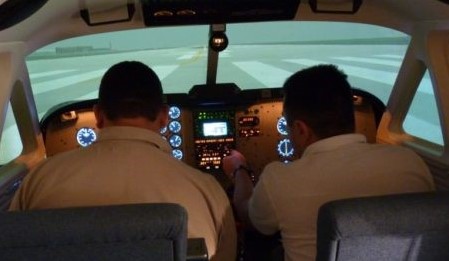
Flight Simulation Laboratory
Houses a certified multi-module FNPT II simulator and a simulator developed by the department.
- Supports pilot training, workload measurement and psychological testing.
- Supports work on flight models, aircraft systems, control laws and human-machine interfaces.
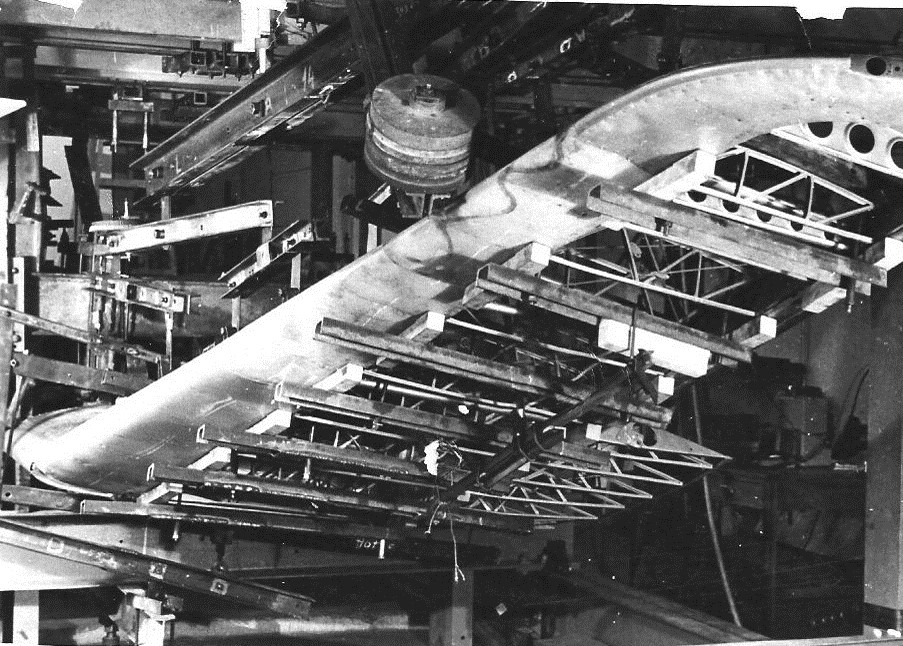
Static Load and Fatigue Testing Laboratory
A structural test frame for wings, larger UAVs, fan blades and helicopter rotor blades.
- The test frame has an overall size of 3 × 5 metres.
- Measurements use direct physical contact, digital sensors and remote sensing.
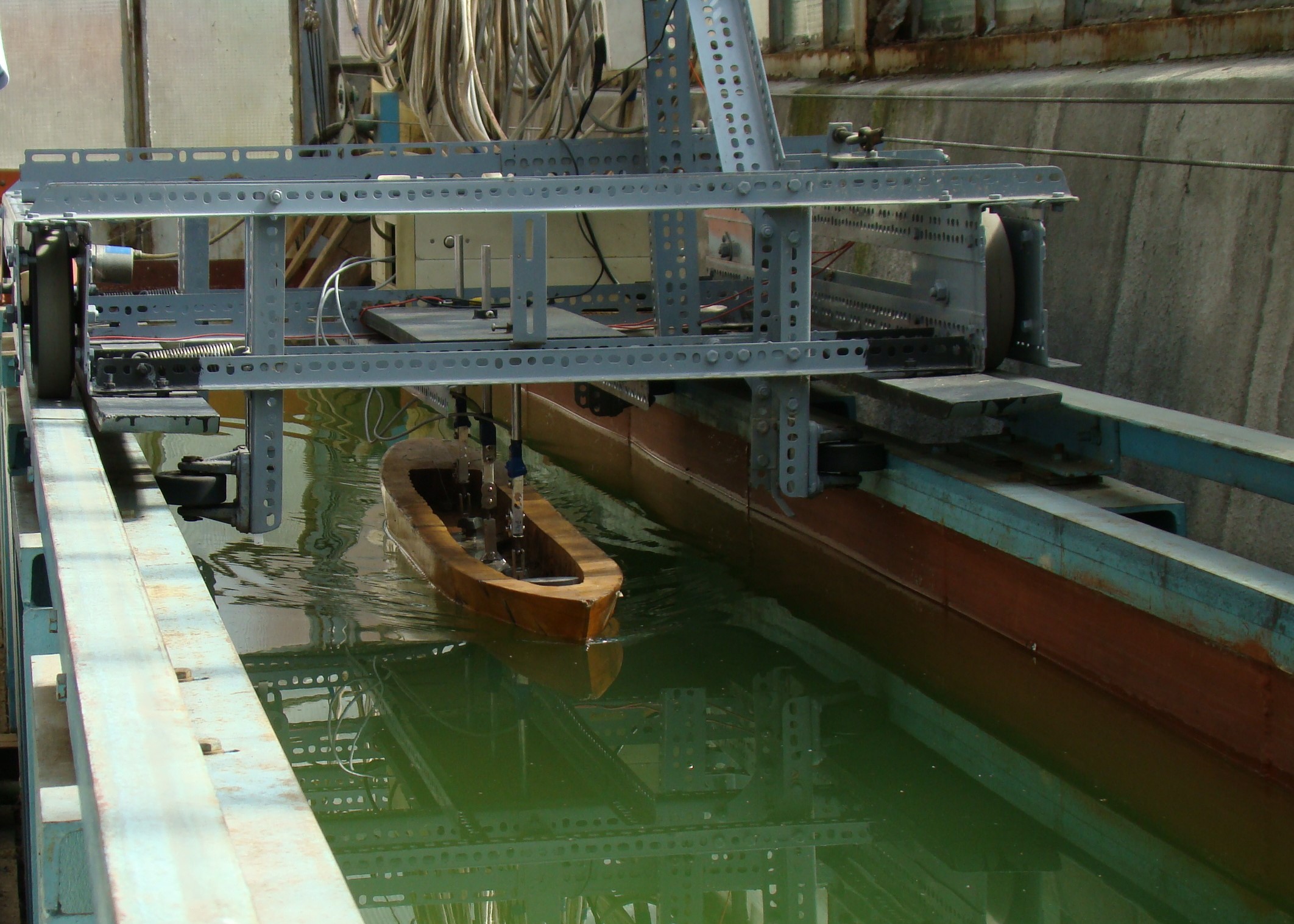
Mini Towing Tank
A ship-model towing facility whose carriage measures longitudinal and transverse towing forces for resistance calculations.
- Tank length 20.6 m, width 0.9 m and height 0.8 m.
- Maximum water depth 0.65 m and maximum towing speed 3 m/s.
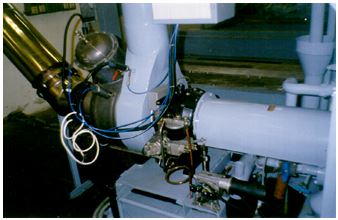
Gas Turbine Laboratory
Three gas-turbine test benches support propulsion research and teaching.
- A Deutz T216 turboshaft with hydraulic brake models turboprop engines.
- A TKT-1 turbojet supports jet-propulsion investigations.
- An SPT10 micro turboshaft forms the core of a turbo-electric hybrid propulsion system.
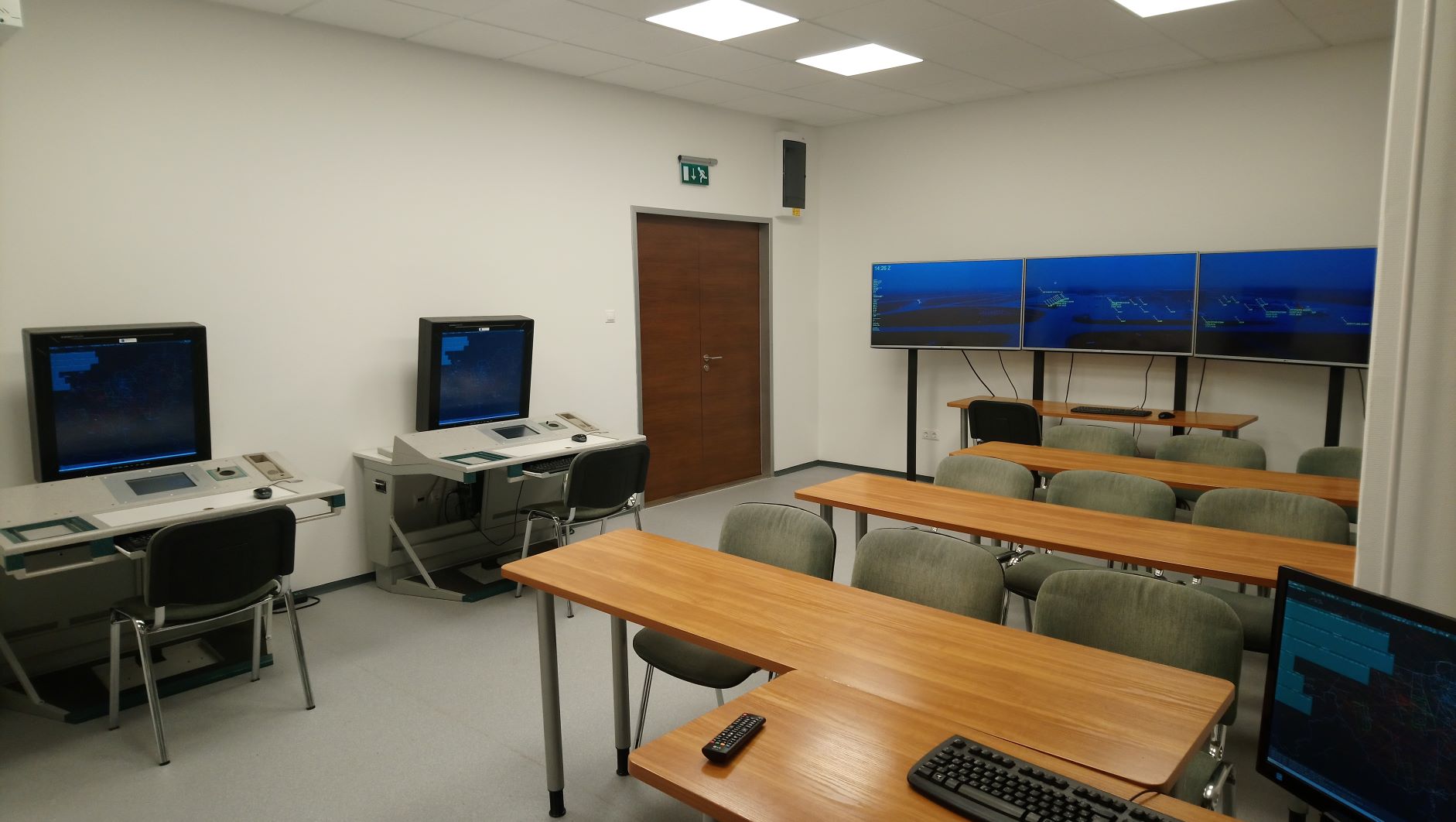
Air Traffic Management Laboratory
An operational controller environment for Air Traffic Management education and research.
- Two controller positions and one supervisor or pseudo-pilot workstation.
- Includes department software, EUROCONTROL ESCAPE Light and a Remote Tower research workstation.
- Workstations can connect to workload and biometric measurement systems.
Technical Modelling and Simulation Laboratory
Engineering workstations and licensed modelling software for teaching and research across a product's lifecycle.
- CATIA and ANSYS Multiphysics seats for mechanical, CFD and electromagnetic work.
- High-performance workstations support research, teaching and industrial-scale simulation.